Research and protocol updates
Deep dives on MEV, liquid staking, and the FastLane stack on Monad.

Introducing the FastLane MEV Protocol: The World’s First Fully Decentralized MEV Auction for Monad Validators
In collaboration with Category Labs, Fastlane is proud to introduce the Fastlane MEV Protocol.
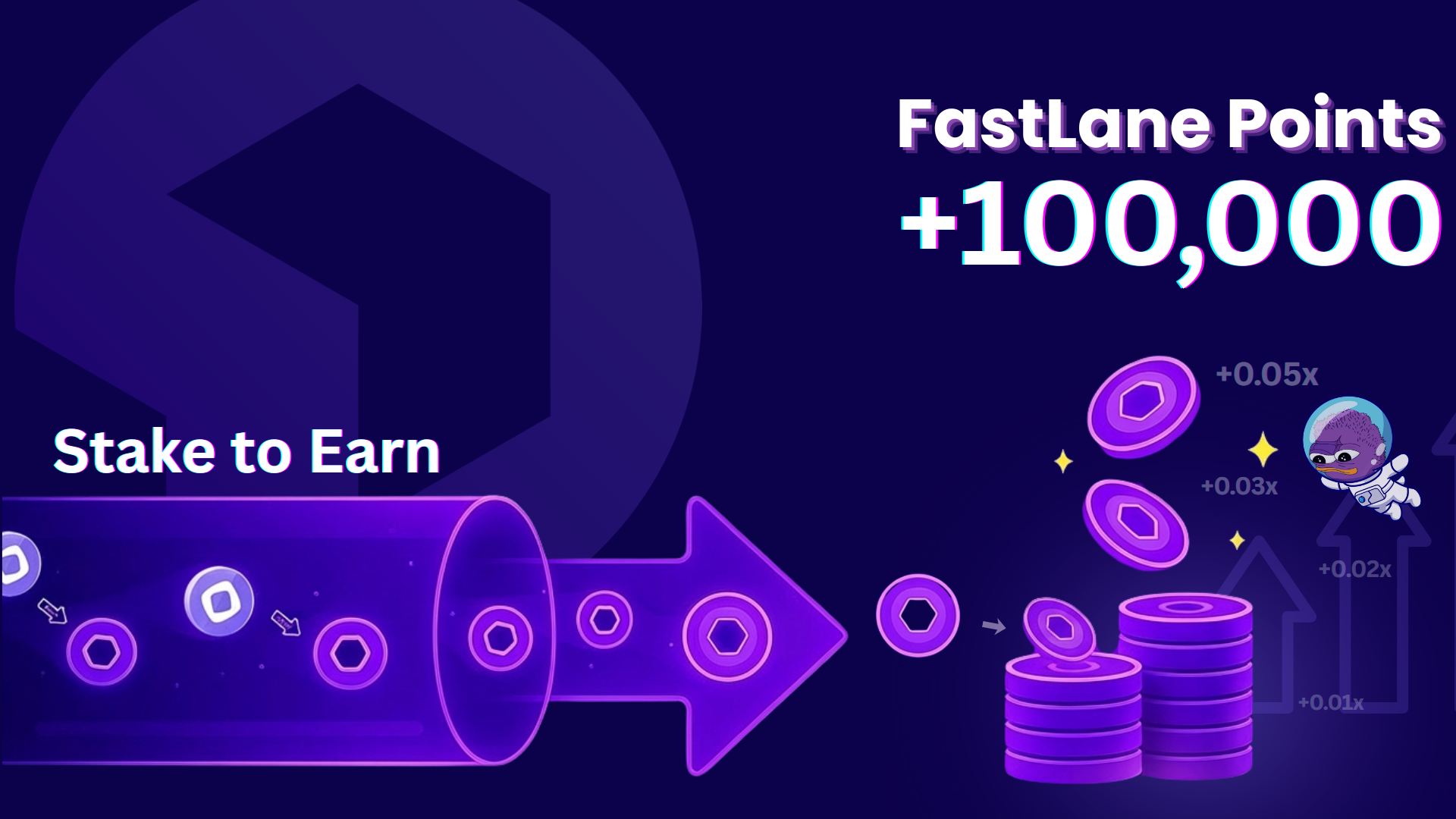
FastLane Mainnet Points Program: The Complete Guide to Earning, Multipliers, and Early Alignment
FastLane is introducing its mainnet Points Program to provide a clear, structured, and transparent framework for users to participate in the early development of Monad’s economic foundation

The FastLane shBundler: Supercharging Monad’s UX for Users and Businesses.
Introduction The cryptocurrency world has evolved significantly over the past decade, with growing recognition, adoption, and utilisation by institutions, businesses, and end-users alike. As the gap between the crypto world and the real world closes, the demand for highly scalable, cost-effective, and robust blockchains has surged. Monad is set to meet this demand with a next-generation architecture, allowing them to serve the incoming masses at a global scale. As a team with years’ worth of e
On State Locks, State Deltas, and What Everyone Is Getting Wrong About Application-Specific Sequencing
A Broad Explanation of MEV and the Value of Accessing State Any state with utility / value that decreases upon each sequential access goes through the MEV (or PGA) crucible, where it's priced relative to what others are willing to pay for it. MEV relays reduce the externalities of the competition (e.g., spam) by increasing the predictability of sequencing. This consequently reduces the expectation of profit from probabilistic approaches (e.g., spam again) to accessing state while it's still va
An Introduction to Blockchain Mechanism Math, Terminology, and Hieroglyphics for Deeply Casual People who want to Sound Smart when Discussing White Papers with their Peers
By Alex Watts et al. Abstract: Mechanism Designers working in DeFi really like writing white papers. They like it a lot. Perhaps too much. They also like writing these papers in an ancient, hieroglyphics-based language that is difficult for a normal, socially-adjusted person to decipher. This is unfortunate because most of the math and game theory is actually quite simple once you understand their alien terminology. In this paper, I'll give you the tools you'll need to sound smart when discussi
Introducing Rocketboost, powered by Atlas and the world’s first fully onchain DRFQ
The Atlas Protocol is the world’s first generalized execution abstraction protocol for the EVM, providing app and frontend developers the ability run intent or MEV orderflow auctions to capture value for their users and stakeholders. Atlas developers can build and configure their “Atlas Module” (an Atlas DappControl contract) for their use case and value flow requirements, including: OEV auctions, backrun OFAs, intents/swap RFQs, rebalancing auctions and LVR resistant AMMs/hooks. Having success
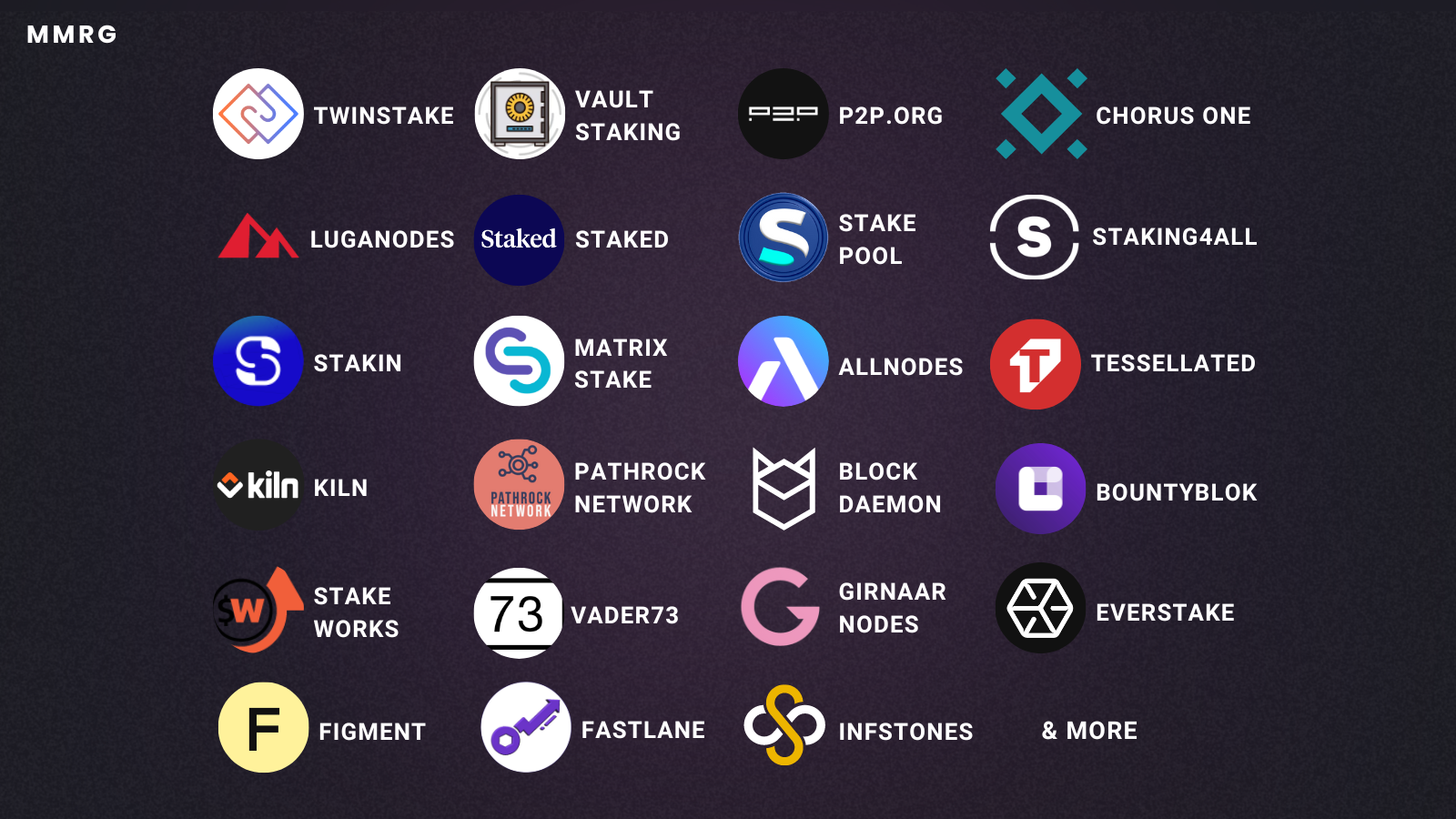
Announcing the Monad MEV Research Group
Gmonad. FastLane Labs is excited to announce the Monad MEV Research Group (MMRG), a loose coalition of validators, protocols, applications and MEV researchers..
Introducing Atlas Backruns
By Jacob Greene - FastLane Labs Atlas is a generalized execution abstraction protocol for building application-specific order flow auctions on the EVM. Because of its generality and flexibility, Atlas can be used for a number of execution abstraction use-cases such as backrun order flow auctions, OEV auctions, and intent auctions. All of these auction types can be purpose-built by application developers in what we call an Atlas Module. While developers can always write their own modules or fork
On ERC-4337, Intents, and MEV
A look into the overlap between account abstraction, intents and MEV, and important tradeoffs to consider when designing applications to take advantage of them.
Why we are building Atlas
Blockchains are governed by cause and effect. Their state only changes when something acts upon them to change it. This cause is usually a transaction. This means if something changes and we want to represent that in a blockchains state, we’re going to need a transaction. For example a user could decide they want to exchange one of their tokens for another, or the price of a token on another platform could change. These state changes have consequences. If a user interacts with a liquidity pool
The Top Three Mistakes That Ruin Validators' Trustworthiness on Polygon
Trust is the bedrock upon which decentralized systems thrive. For Polygon Validators, maintaining trustworthiness is not just a matter of reputation; it's a critical factor that determines their success in the ecosystem. However, even the most seasoned validators can sometimes falter, making mistakes that can erode the trust they've painstakingly built. Let's delve into the top three mistakes that can jeopardize a validator's trustworthiness on the Polygon network. 1. Inadequate Infrastructu
The Biggest Challenges Facing Polygon Validators and How One Simple Thing Can Drastically Improve Delegator Retention
The Polygon network is becoming a big player in DeFi, offering scalability and low transaction costs. However, as the network grows, so do the challenges for validators. This article aims to shed light on the most pressing issues facing Polygon validators and how a simple solution can significantly improve delegator retention. The Validator's Dilemma Validators are the backbone of the Polygon network, responsible for validating transactions and creating new blocks. However, the role comes
3 Easy Fixes Validators Can Make to Attract More Delegators
Validators: Boost appeal with transparency, enhanced security, and optimal performance. Discover 3 fixes to attract more Polygon delegators.
The Changing Face of Delegator Preferences in the Age of Institutional Staking
Institutional staking is redefining delegator expectations on Polygon. For success, validators must prioritize security, governance, and long-term growth and more.
The Top 3 Mistakes That Ruin Validators Chances of Attracting More Delegators on Polygon
Learn how to navigate the top 3 pitfalls that Polygon Validators face in attracting more delegators. Get insights on zkEVM, improve your infrastructure, and meet institutional staker expectations.
3 Key Trends Boosting Revenue for Polygon Validators
Learn the 3 key trends boosting Polygon Validator revenue: zkEVM, institutional staking, and MEV. FastLane Labs offers proven strategies for growing your MATIC earnings with case studies from 26 leading Polygon Validators who produce over 30% of all blocks.
FastLane Feature Update Announcement: Websocket Support for the RPC
We're excited to introduce Websocket support for the RPC, a powerful addition to FastLane on Polygon.
Introducing FastLane on Polygon
FastLane is an easy-to-integrate MEV protocol that rewards participating validators for protecting the health of the Polygon blockchain.
Navigating FastLane Auctions Made Easier with the Searcher Explorer App
By Eddie Salcedo - FastLane Labs Greetings, FastLane Community! We are excited to introduce the Searcher Explorer App, our latest tool crafted specifically for our dedicated community of searchers. Our app enables you to delve deep into auction dynamics with a variety of features. It's easy to investigate bundles, searchers’ transactions, or opportunity transactions simply by using their unique transaction hashes. Understanding Opportunity Transactions You can view key information abou
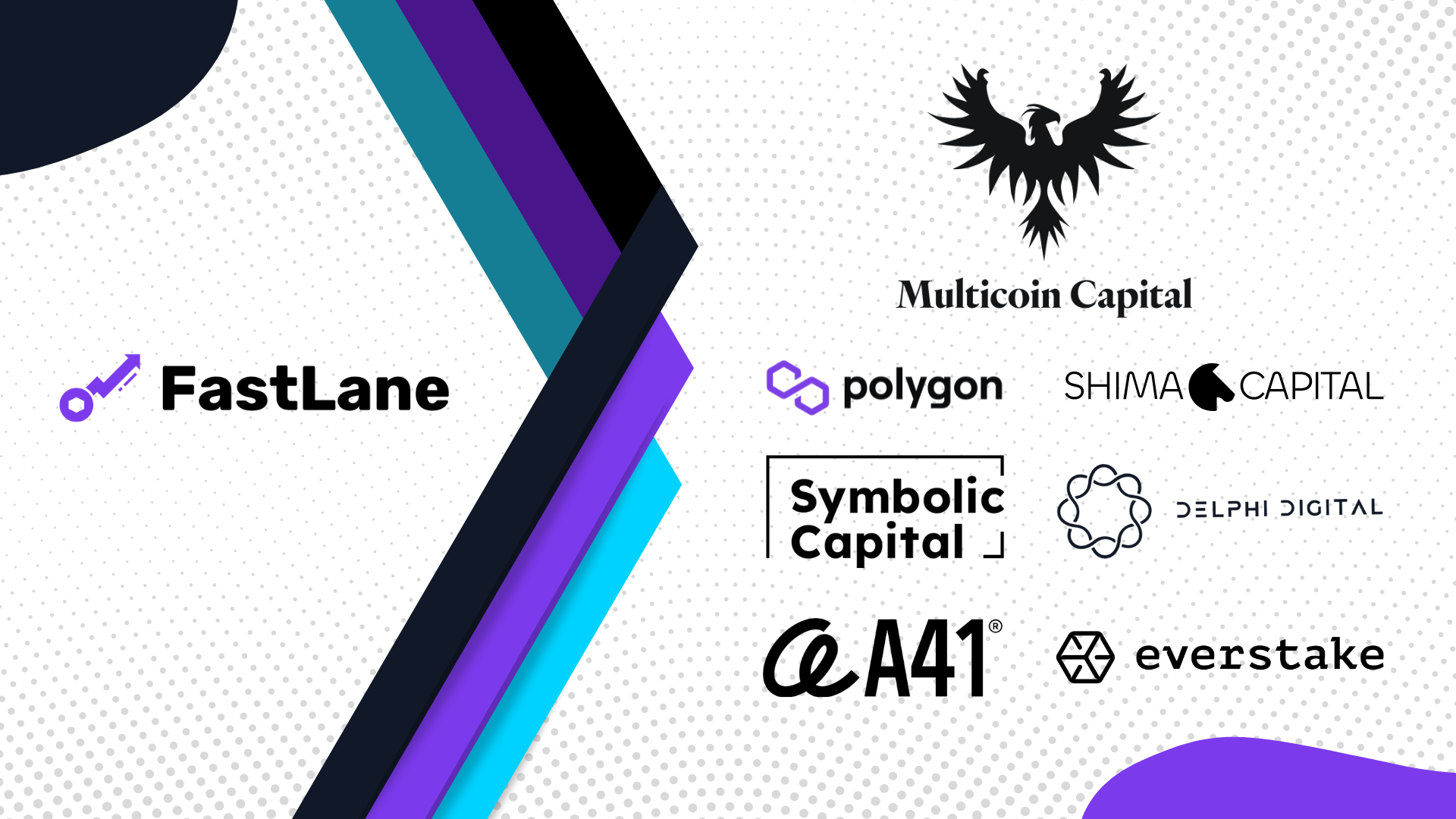
FastLane Labs Announces Close of Seed Round
We're thrilled to announce that our company, FastLane Labs, has closed a $2.3M seed funding round, led by Multicoin Capital, with participation from esteemed venture capital firms including Polygon Ventures, Shima Capital, Delphi Ventures, Everstake Ventures, A41, and Symbolic Capital. This significant investment marks a pivotal moment in our journey and it underlines our dedication to safeguarding the Polygon blockchain’s network health and user experience. The funds from this seed round have